Mexico’s Modern Art and Political History
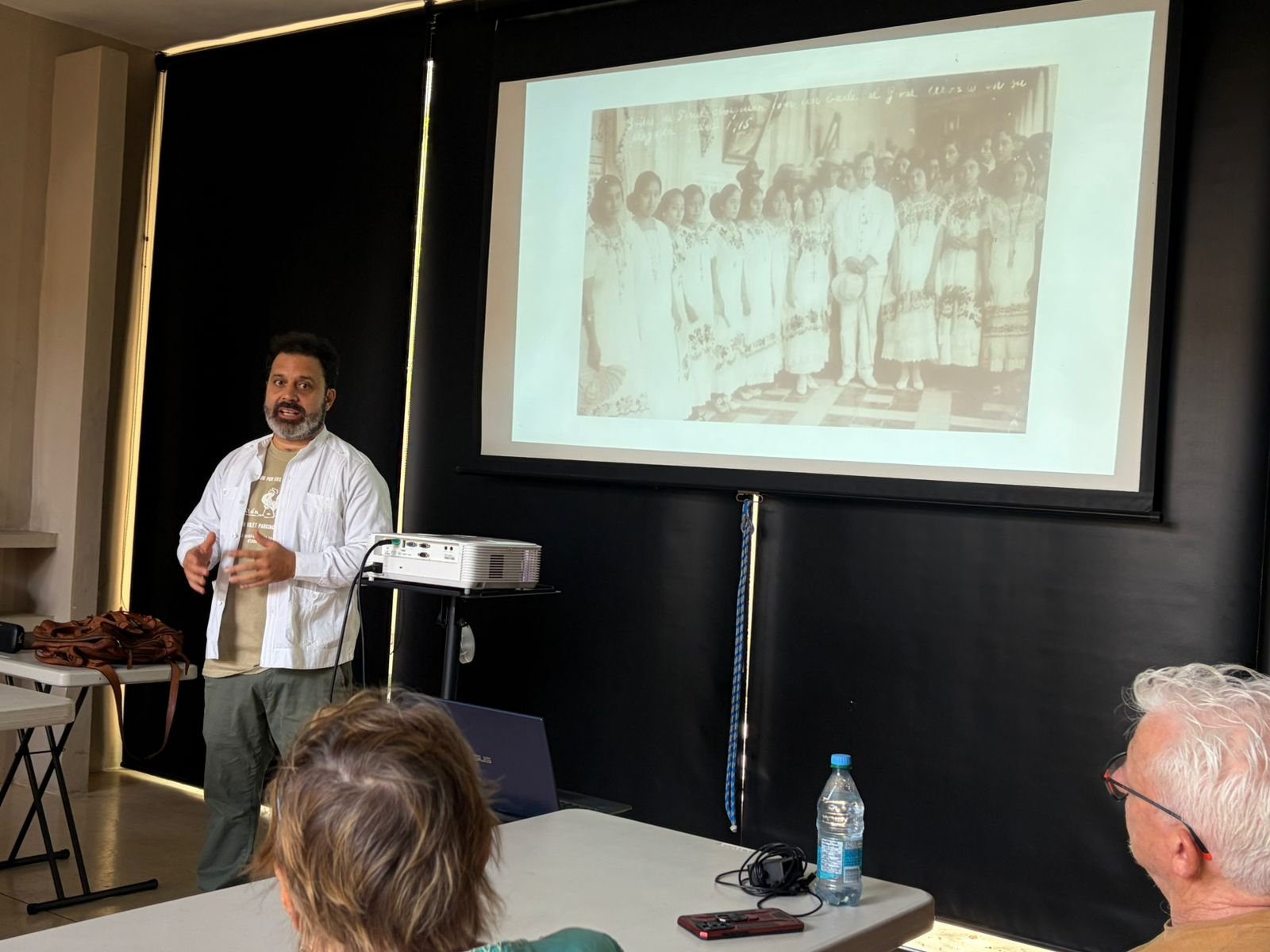
This lecture series by Raúl Gasque explores the development of modern art in Mexico through its deep and often turbulent relationship with political history. Across five sessions, participants will examine how artists not only reflected their time, but actively shaped national identity, cultural discourse, and ideological debates.
Rather than presenting art history as a linear sequence of styles, this course approaches it as a series of gestures—aesthetic, political, and symbolic actions—performed by artists in response to revolution, nationalism, modernity, and resistance.
Each three-hour session combines:
Visual analysis of paintings, murals, and photography
Screenings of archival footage and documentaries
Readings from key texts and critical essays
Group discussion and guided interpretation
Participants will be encouraged to engage critically with both the artworks and the political contexts that shaped them.
The course consists of five classes, each beginning at 9:30 AM and lasting three hours, combining lectures, visual analysis, and creative workshops.
Cost: All Five Sessions = $4,000 • Four Sessions = $3,300 • Three Sessions = $2,600 • Two Sessions = $1,800 • One Session= $950. Register online in the MEL Shop.
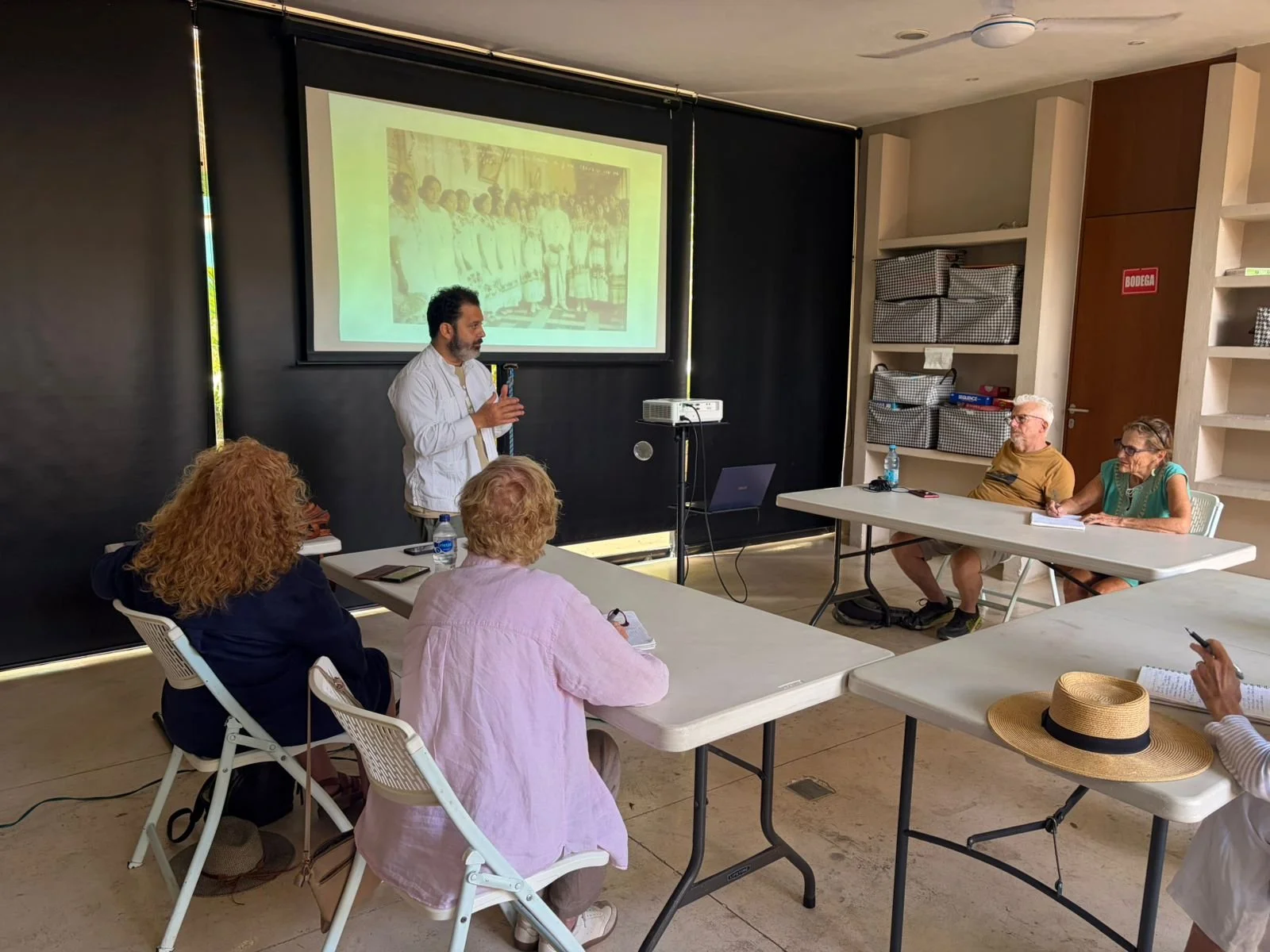
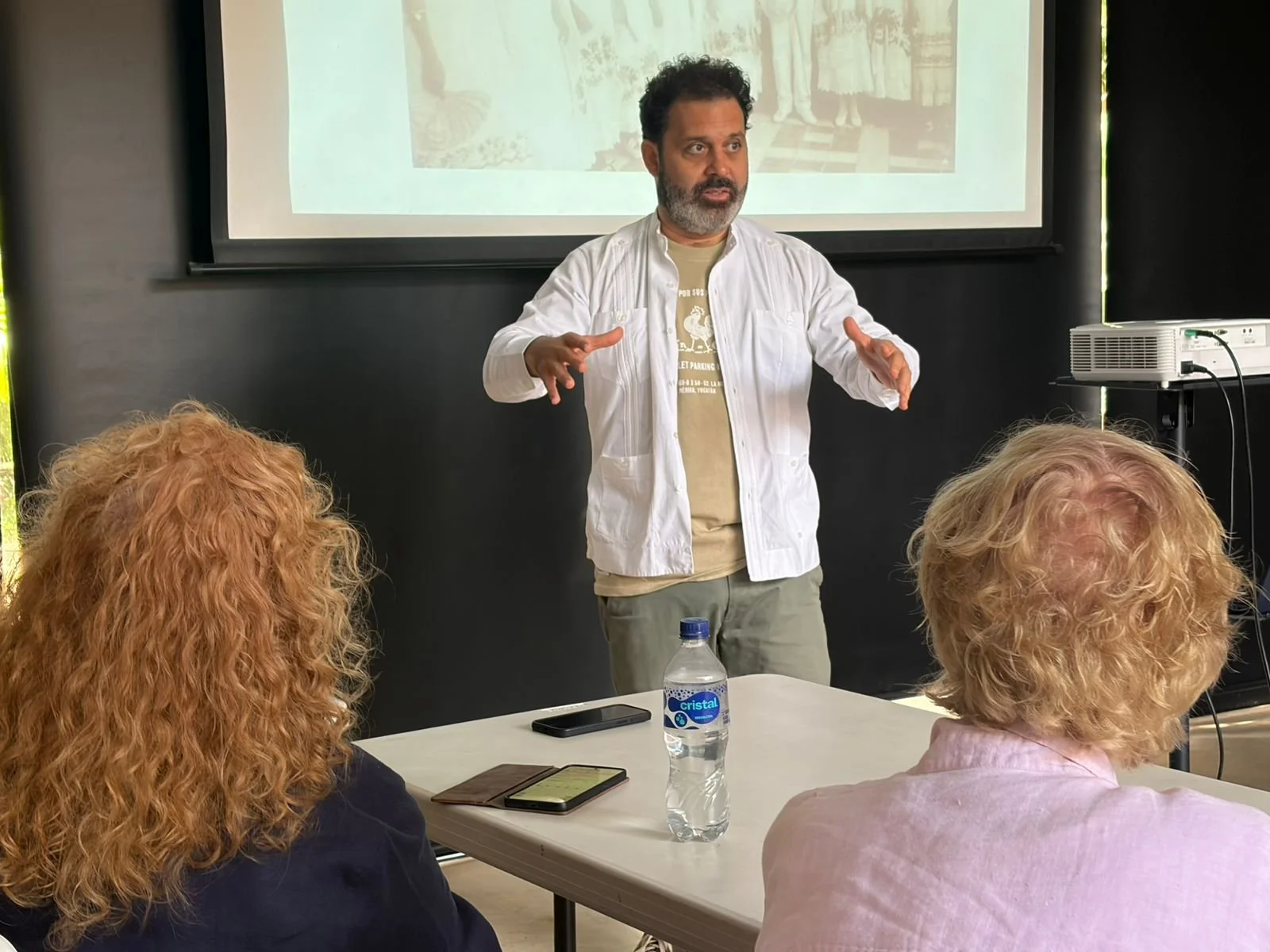
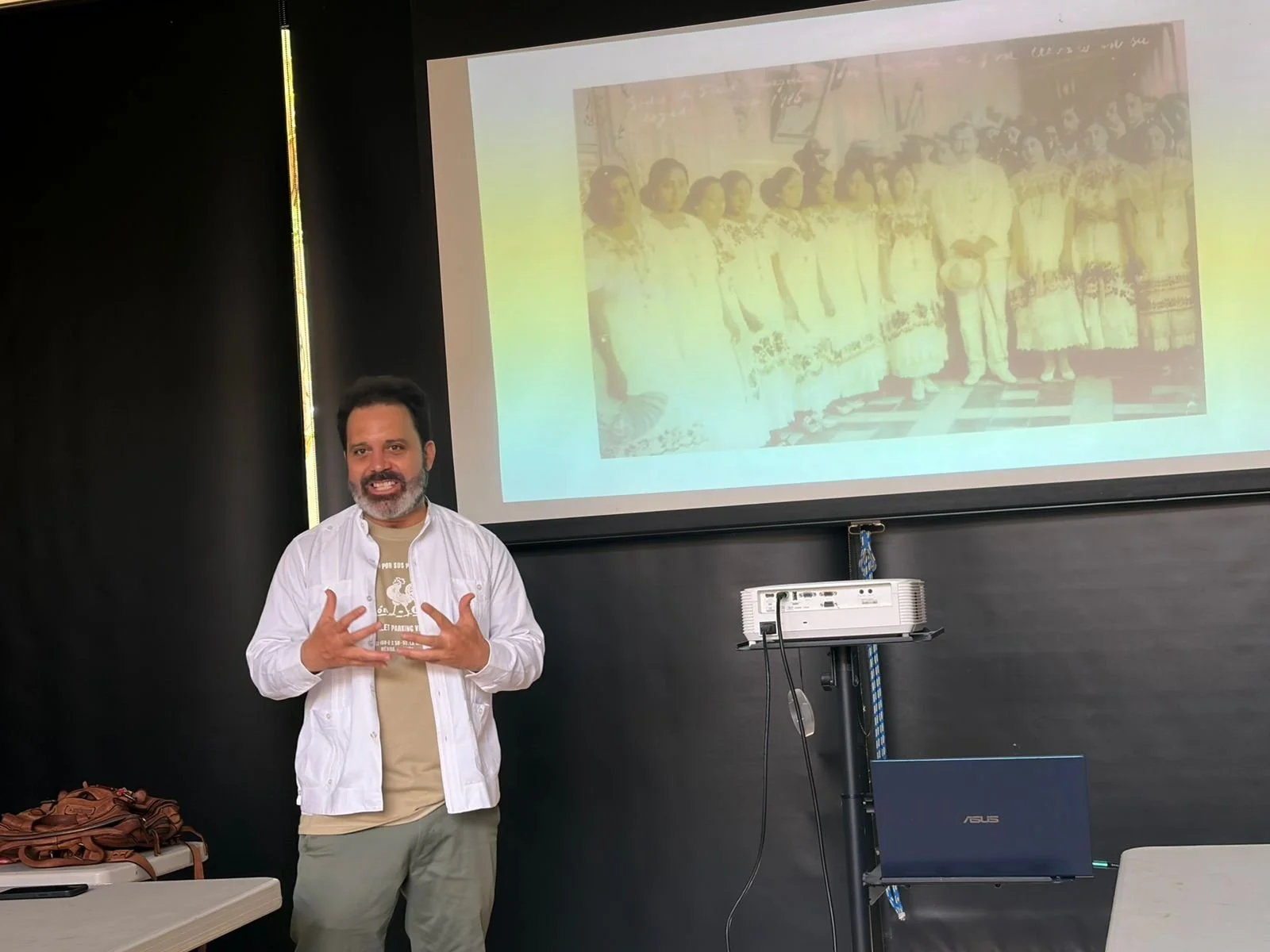
Session 1: Foundations of Mexico in Art
Artists: Saturnino Herrán, Guillermo Kahlo
This session examines the pre-revolutionary and early modern foundations of Mexican visual identity. Through Herrán’s symbolic figuration and Guerra’s photographic documentation, we explore how notions of “lo mexicano” began to take shape before becoming institutionalized.
Key themes:
Construction of national identity before the Revolution
The body as a symbol of the nation
Early visual narratives of Mexicanidad
Session 2: Inventing a National Legend
Artists & Thinkers: Diego Rivera, David Alfaro Siqueiros, José Clemente Orozco, Octavio Paz
This session focuses on the post-revolutionary period, where art became a central tool for constructing a unified national narrative. The Mexican muralist movement is analyzed not only as an artistic phenomenon but as a state-driven ideological project.
Key themes:
Art as propaganda and public education
Myth-making after the Mexican Revolution
Tensions between individual vision and state ideology
Session 3: The Outcasts
Artists: Gerardo Murillo, Nina Moretti, Alice Rahon, Nahui Olin
This chapter explores figures who existed outside dominant narratives. Whether through exile, marginalization, or radical individuality, these artists challenged official versions of modern Mexican art.
Key themes:
The role of the outsider in cultural production
Alternative modernities and surrealism in Mexico
Gender, exile, and artistic identity
Session 4: Ellas
Artists: María Izquierdo, Frida Kahlo
A focused exploration of two key women artists who redefined representation, identity, and subjectivity in Mexican art. This session examines how their work resisted both patriarchal structures and dominant artistic movements.
Key themes:
The female body as territory and narrative
Identity, pain, and self-representation
Resistance within and beyond the art system
Session 5: Transgressions on the Re-evolution
Artists & Filmmaker: Rufino Tamayo, Luis Buñuel, Vlady Kibalchich
The final session examines the rupture with nationalist narratives and the emergence of more personal, experimental, and transgressive forms. These figures represent a shift away from revolutionary ideology toward more complex, global, and critical perspectives.
Key themes:
Breaking with muralism and nationalism
The emergence of modern subjectivity
Cinema and painting as spaces of critique
What You Will Learn
By the end of this course, participants will:
Understand the relationship between modern Mexican art and political history
Identify key artists and their contributions to national and cultural identity
Analyze artworks within their historical and ideological contexts
Develop a critical perspective on how art shapes collective memory
This workshop is not only about learning names and movements, but about understanding how art participates in the construction of reality. Mexico’s modern art is inseparable from its political struggles, contradictions, and aspirations—and through it, we gain insight into the country’s ongoing cultural evolution.
About Raúl Gasque
With a career that spans more than 20 years in Asia, Latin America, and Europe, Raúl has led workshops and talks in institutions ranging from Mexico to Taiwan. His work engages themes of storytelling, psychology, and identity through a nontraditional lens.
As an art educator, Raúl Gasque has worked in different environments and institutions. His experience as an art teacher took him to develop workshops at the National Institute of Arts in Mexico, The Peace Nobel Prize Rigoberta Menchú Tum Foundation in Guatemala, Hungkuang University in Taichung, and the Mexican Cultural and Trade Office in Taiwan. Also, Gasque has given conferences in prestigious universities and institutions such as the Asian Center for Journalism of the Ateneo University in Manila, La Hydra in Mexico City, Lightbox Center, and National Chengchi University in Taipei, Taiwan.
Originally from Mérida, Yucatán, Raúl recently returned home after two decades abroad to reconnect with his roots and the rich cultural energy of the region.