This five-session course by Raúl Gasque explores the democratic evolution of Mexico and its profound influence on creativity, plurality, aesthetics, and artistic transgression. Through literature, photography, conceptual art, performance, new media, and contemporary visual arts, participants will examine how political and social transformations have shaped Mexico’s cultural identity during the transition from modernity to postmodernity and into the contemporary era.
The course proposes an interdisciplinary journey through the ideas, works, and creative processes of some of Mexico’s most influential artists, writers, photographers, and cultural thinkers. Participants will analyze how artistic production has responded to social change, political uncertainty, globalization, and the construction of new cultural narratives.
Through lectures, discussion, and collective reflection, students will gain a deeper understanding of the relationship between politics, society, and artistic production in contemporary Mexico.
Course Objectives
Understand the relationship between Mexico’s political transformation and its cultural production.
Analyze the emergence of postmodern thought within Mexican arts and literature.
Explore artistic practices that challenge traditional narratives and aesthetics.
Develop critical thinking through dialogue and collective reflection.
Gain a broader understanding of the cultural forces that have shaped contemporary Mexican art.
Methodology
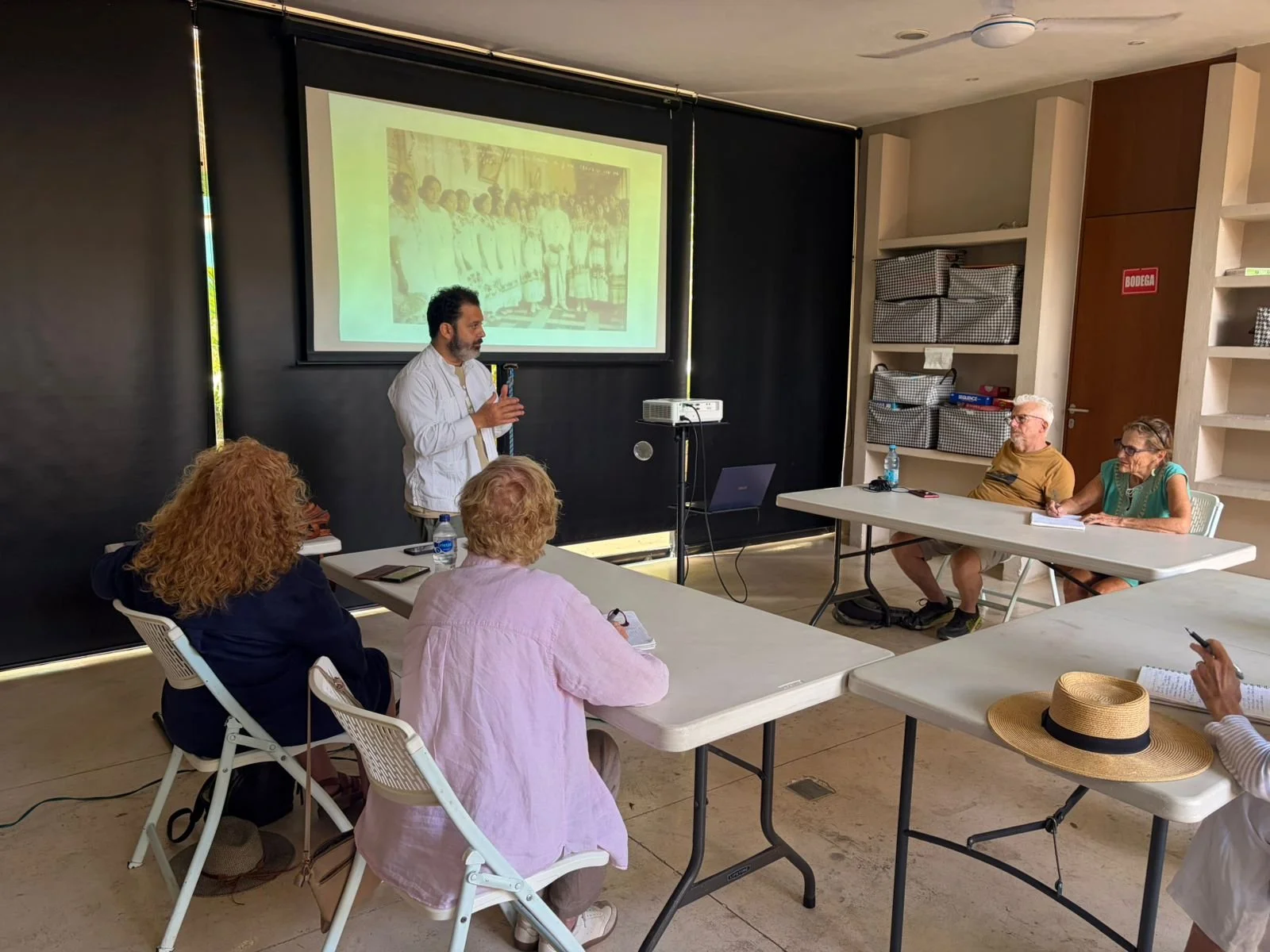
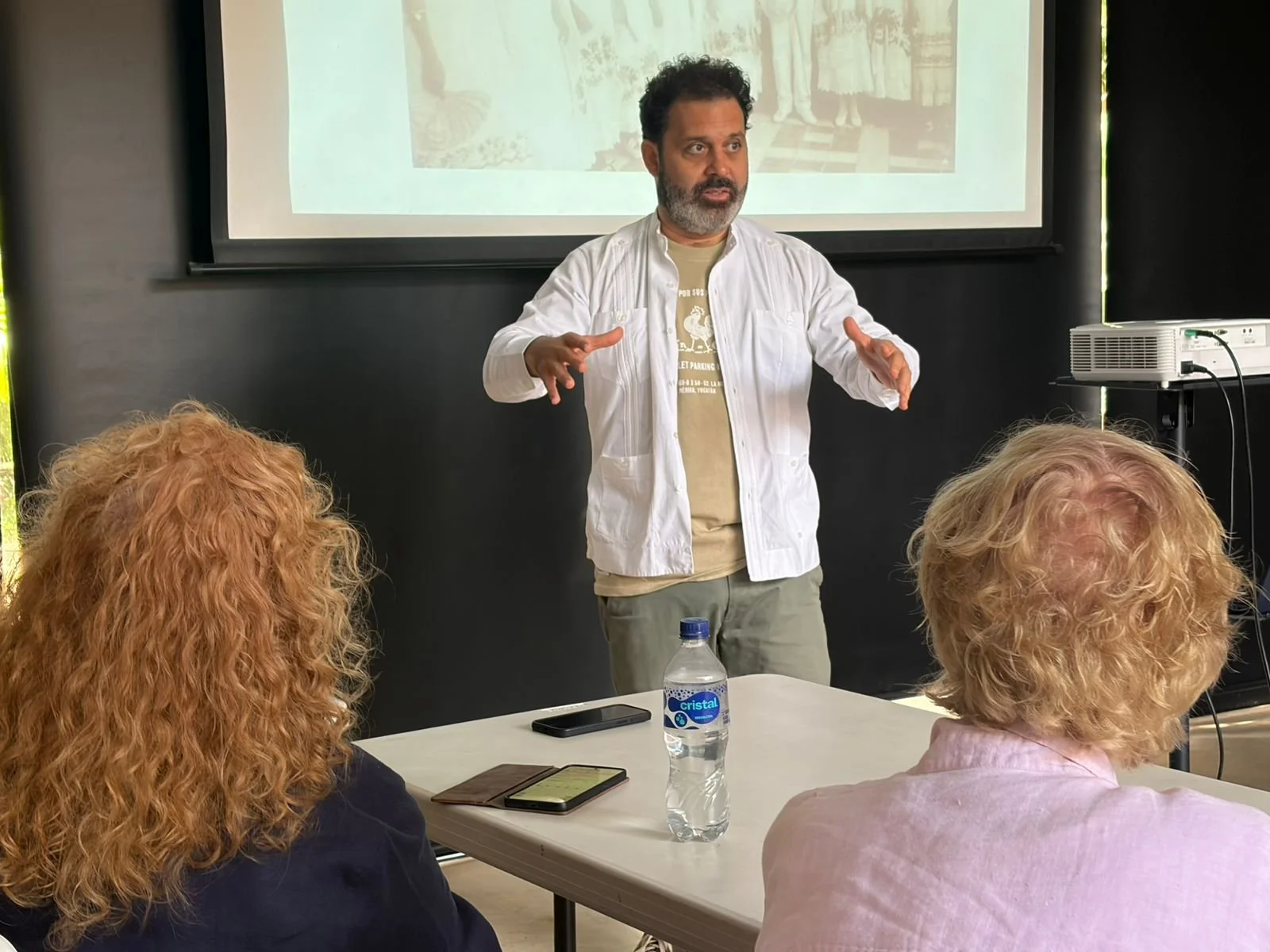
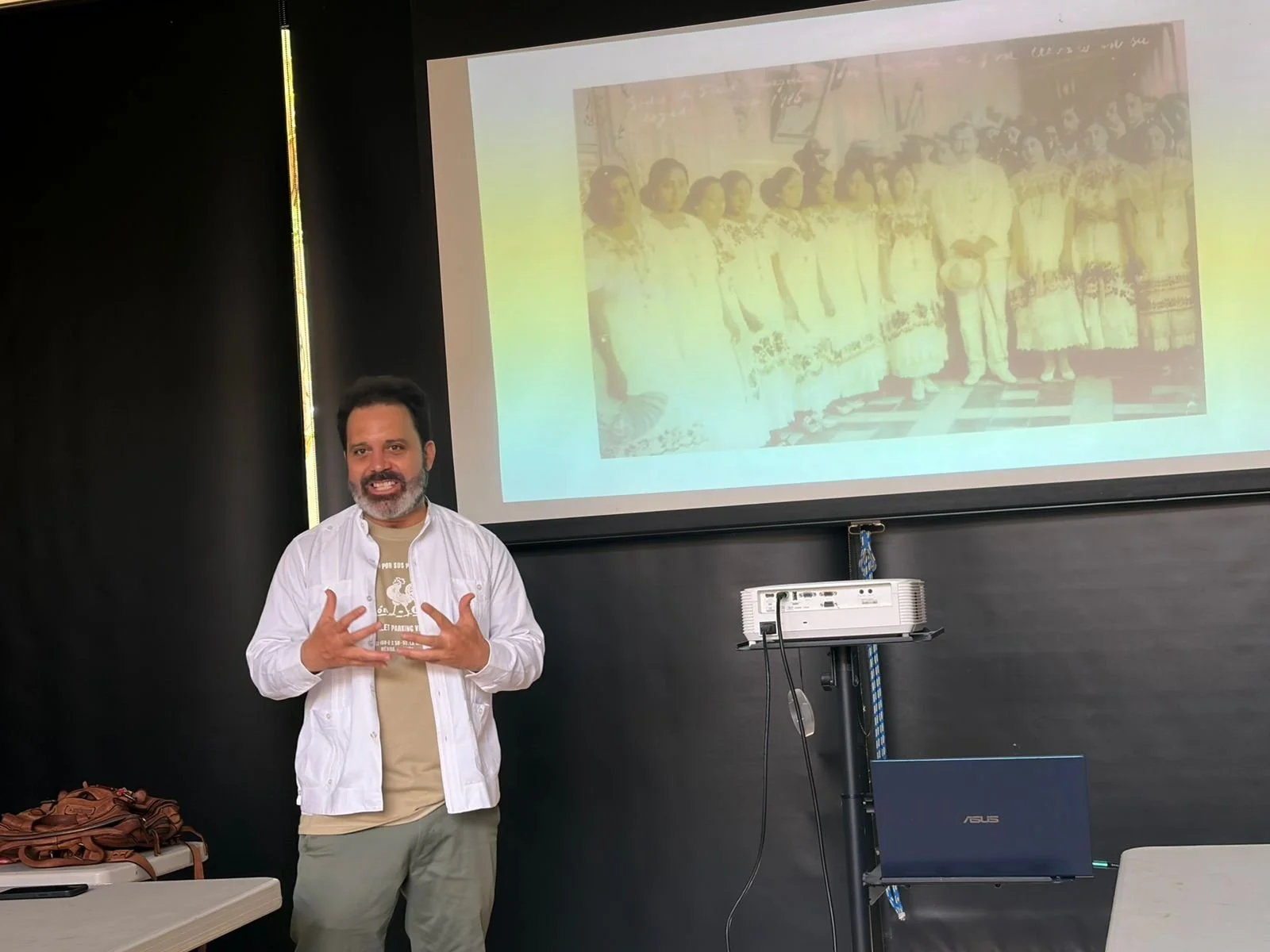
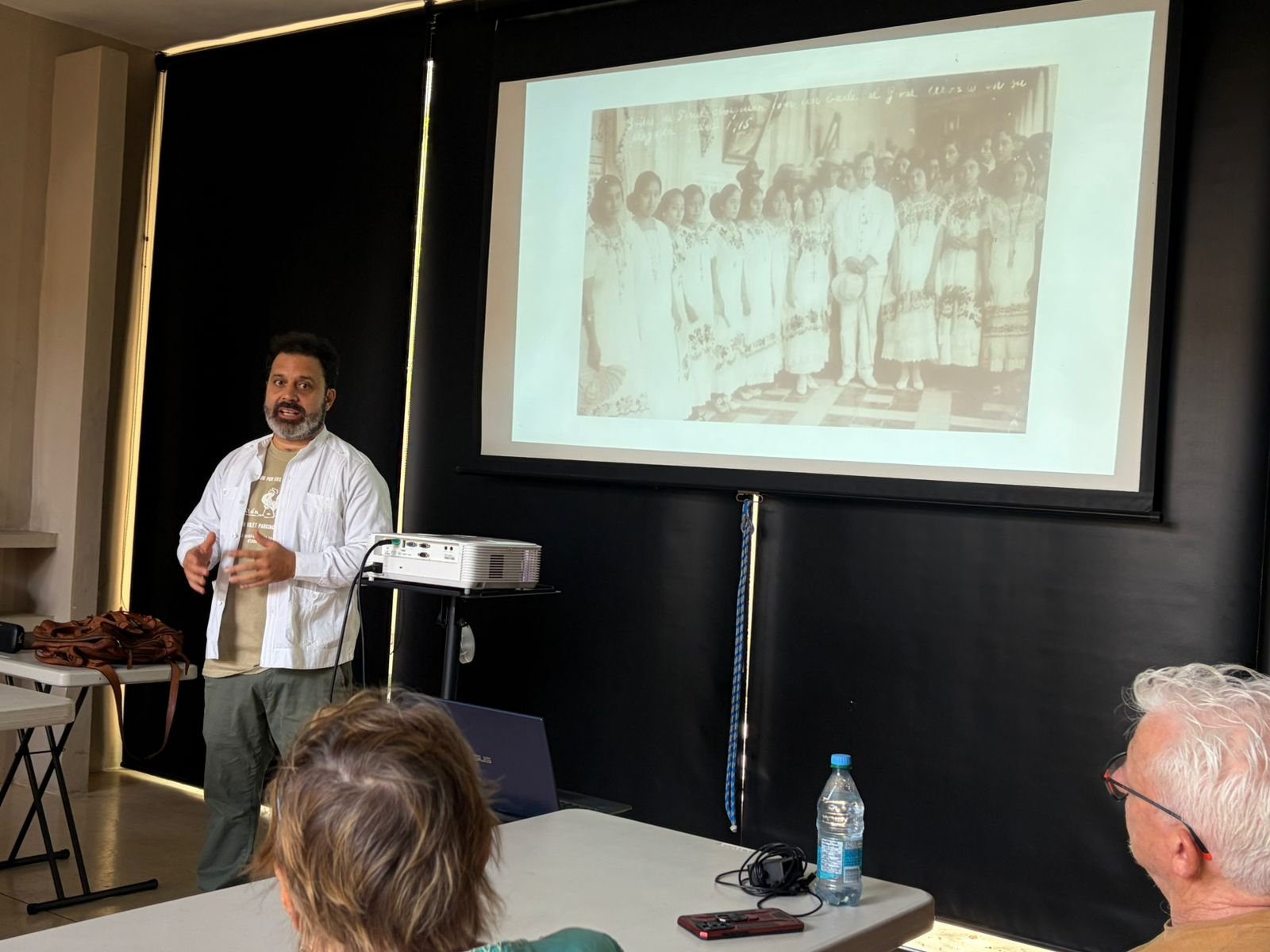
Each session consists of an illustrated lecture led by artist, writer, and educator Raúl Gasque.
The lectures combine historical context, visual analysis, literary references, and critical discussion, encouraging active participation from students throughout the course. Questions, comments, and open dialogue are welcomed as essential components of the learning experience.
The course emphasizes the exchange of ideas, collective interpretation, and critical engagement with artworks, texts, and cultural phenomena.
The course consists of five classes, each beginning at 9:30 AM and lasting three hours, combining lectures, visual analysis, and creative workshops.
Cost: All Five Sessions = $4,000 • Four Sessions = $3,300 • Three Sessions = $2,600 • Two Sessions = $1,800 • One Session= $950. Register online in the MEL Shop.
Session 1: Weaving Postmodernity
Themes
The cultural transition from modernity to postmodernity.
Intellectual and artistic freedom during periods of political transformation.
Symbolism, imagination, and narrative experimentation.
Artists and Thinkers
Gerda Gruber
Alejandro Jodorowsky
Carlos Fuentes
Session 2: Memory, Silence and the Postmodern Condition
Themes
Absence, memory, solitude, and fragmentation.
The aesthetics of silence and ambiguity.
Photography and literature as spaces of existential inquiry.
Artists and Thinkers
Juan Rulfo
Roberto Bolaño
Lola Álvarez Bravo
Manuel Álvarez Bravo
Graciela Iturbide
Session 3: Mexico Taking Hard Steps into the Unknown
Themes
Globalization and contemporary Mexican identity.
Social uncertainty and new visual languages.
Documentary strategies and conceptual practices.
Artists
Gerardo Montiel Klint
Diego Moreno
Adam Wiseman
Patricia Martín Briceño
Pablo Helguera
Gabriel Orozco
Session 4: New Territories of Contemporary Art
Themes
Participation, interaction, and social engagement.
Technology and expanded artistic practices.
Art as a catalyst for public dialogue.
Artists
Francis Alÿs
Rafael Lozano-Hemmer
Pedro Reyes
Mariela Sancari
Patricia Martín Méndez
Tania Candiani
Session 5: New Voices, New Futures
Themes
Emerging perspectives in contemporary Mexican art.
Identity, gender, territory, and belonging.
New generations redefining artistic language.
Artists
Julieta Aranda
María Conejo
Alejandra Alarcón
Floria González
Lucía Vidales
Lorena Ancona
Othiana Roffiel
What You Will Learn
By the end of this course, participants will:
Gain a deeper understanding of contemporary Mexican culture and its historical context.
Recognize major artistic movements and influential cultural figures from the late twentieth century to the present.
Develop analytical tools for interpreting contemporary artworks.
Strengthen their capacity for observation, reflection, and critical discussion.
Understand how political, social, and cultural transformations influence artistic production.
Participants are encouraged to bring a notebook for personal notes, reflections, and discussion points throughout the course.
About Raúl Gasque
With a career that spans more than 20 years in Asia, Latin America, and Europe, Raúl has led workshops and talks in institutions ranging from Mexico to Taiwan. His work engages themes of storytelling, psychology, and identity through a nontraditional lens.
As an art educator, Raúl Gasque has worked in different environments and institutions. His experience as an art teacher took him to develop workshops at the National Institute of Arts in Mexico, The Peace Nobel Prize Rigoberta Menchú Tum Foundation in Guatemala, Hungkuang University in Taichung, and the Mexican Cultural and Trade Office in Taiwan. Also, Gasque has given conferences in prestigious universities and institutions such as the Asian Center for Journalism of the Ateneo University in Manila, La Hydra in Mexico City, Lightbox Center, and National Chengchi University in Taipei, Taiwan.
Originally from Mérida, Yucatán, Raúl recently returned home after two decades abroad to reconnect with his roots and the rich cultural energy of the region.