Latin America: Modern Art and Politics
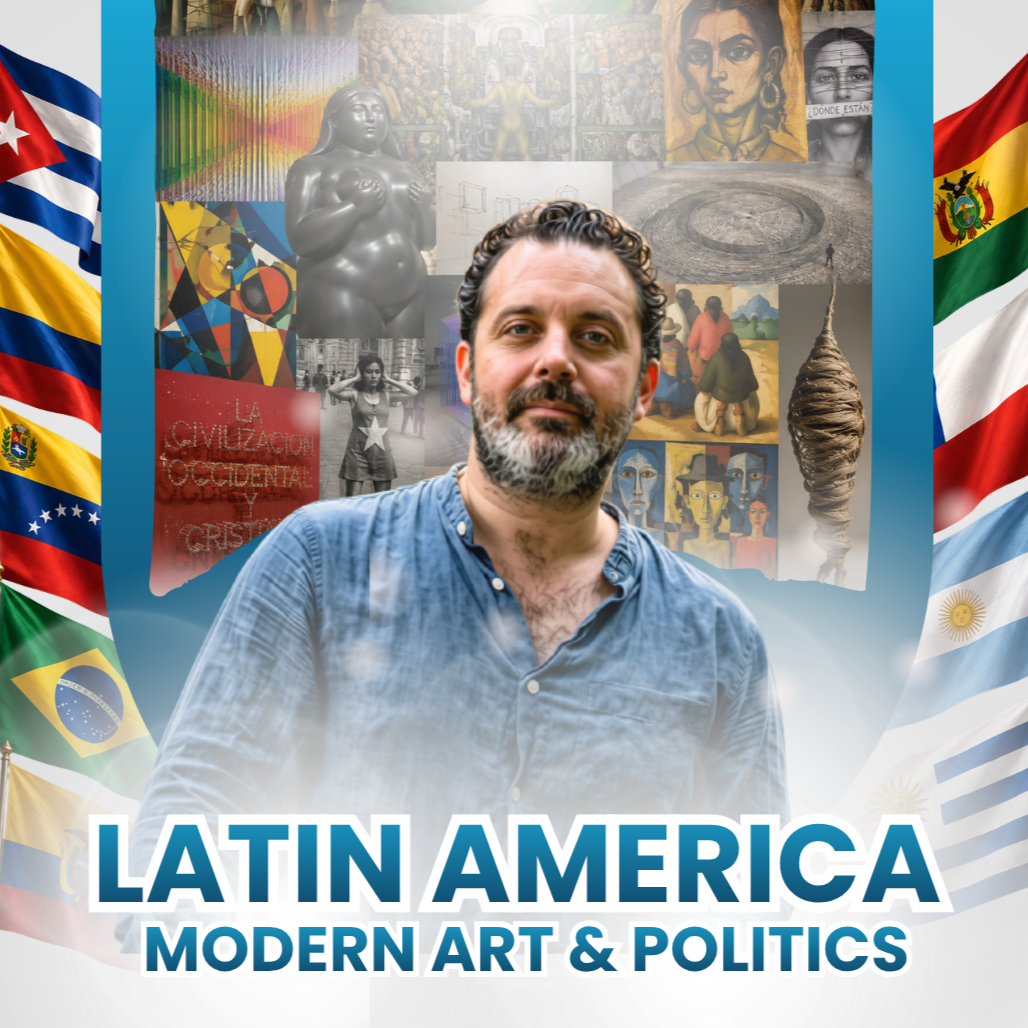
The history of modern Latin American art is inseparable from the political, social and cultural transformations that have shaped the continent. Revolutions, military dictatorships, indigenous movements, migration, economic crises and struggles for democracy profoundly influenced artists throughout the twentieth and twenty-first centuries.
Rather than following a chronological history of art, Instructor Raúl Gasque examines the evolution of modern Latin American art through eight countries whose artistic production transformed the international art scene. Each session combines political history, cultural movements and artistic practice, demonstrating how artists became active participants in the construction of national identity and collective memory.
The course also introduces participants to key concepts including Modernism, the Avant-Garde, Indigenismo, Muralism, Conceptual Art, Kinetic Art, the Latin American Neo-Avant-Garde, Coloniality, Decolonial Thought, Memory Studies and Contemporary Political Art.
Throughout the course, students will become familiar with the work of the region’s most influential artists while understanding the historical events that shaped their production.
The course consists of four classes, each beginning at 9:30 AM and lasting three hours, combining lectures, visual analysis, and creative workshops.
Cost: Four Sessions = $3,300 • Three Sessions = $2,600 • Two Sessions = $1,800 • One Session= $950. Register online in the MEL Shop.
Session 1: Monday, October 5th, 2026.
Cuba: Revolution, Identity and Afro-Caribbean Modernism
Historical Context
Colonial Cuba and Independence, José Martí and the construction of Cuban identity, the Cuban Revolution, Cold War politics, &art during and after the revolution.
Artistic Movements
Modernism, Afro-Caribbean Modernism, Political Art, & Revolutionary Poster Design.
Artists
Wifredo Lam, René Portocarrero, & Ana Mendieta.
Key Concepts
Identity, race, syncretism, revolution, exile.
Colombia: Violence, Memory and Contemporary Art
Historical Context
La Violencia, guerrilla movements, drug trafficking, peace process, & contemporary Colombia.
Artistic Movements
Social Realism, Contemporary Installation, & Political Art.
Artists
Fernando Botero, Doris Salcedo, & Débora Arango.
Key Concepts
Memory, trauma, violence, human rights.
Session 2: Monday, October 12, 2026
Venezuela: Modernity and Kinetic Art
Historical Context
Oil economy, democratic modernization, the Bolivarian Revolution, & contemporary political crisis.
Artistic Movements
Geometric Abstraction, Kinetic Art, & Op Art.
Artists
Jesús Rafael Soto, Carlos Cruz-Diez, & Gego.
Key Concepts
Perception, space, modernization, public art.
Brazil: Modernism, Anthropophagy and Radical Experimentation
Historical Context
The Modern Art Week of 1922, industrialization, military dictatorship, & contemporary Brazil.
Artistic Movements
Brazilian Modernism, Anthropophagy, Neo-Concrete Movement, & Tropicalismo.
Artists
Tarsila do Amaral, Lygia Clark, & Hélio Oiticica.
Key Concepts
Anthropophagy, participation, body, experimental art.
Session 3: Monday, October 19, 2026
Ecuador: Indigenous Identity and Social Realism
Historical Context
Indigenous movements, social inequality, political instability, & contemporary Ecuador.
Artistic Movements
Indigenismo, Social Realism, & Latin American Modernism.
Artists
Oswaldo Guayasamín, Eduardo Kingman, & Camilo Egas.
Key Concepts
Humanism, indigenous identity, & social justice.
Bolivia: Indigenous Cosmologies and Decolonial Art
Historical Context
The Bolivian Revolution, indigenous political movements, Evo Morales, decolonization.
Artistic Movements
Indigenismo, Contemporary Indigenous Art, & Environmental Art.
Artists
Marina Núñez del Prado, María Luisa Pacheco, & Gastón Ugalde.
Key Concepts
Decolonial Thought, Pachamama, territory, indigenous epistemologies
Session 4: Monday, October 26, 2026
Chile: Dictatorship, Conceptualism and Artistic Resistance
Historical Context
Salvador Allende, Augusto Pinochet, military dictatorship, & democratic transition.
Artistic Movements
Conceptual art, performance, & political Intervention.
Artists
Roberto Matta, Alfredo Jaar, & Lotty Rosenfeld.
Key Concepts
Resistance, public space, memory, & democracy.
Argentina and Uruguay: Avant-Garde, Memory and Latin American Identity
Historical Context: Argentina
Immigration, Peronism, military dictatorship, & mothers of Plaza de Mayo.
Historical Context: Uruguay
Batllismo, civic-military dictatorship, & democratic recovery.
Artistic Movements
Constructive Universalism, Argentine Avant-Garde, Conceptual Art, Neo-Avant-Garde.
Artists: Argentina
Emilio Pettoruti, León Ferrari, & Marta Minujín.
Artists: Uruguay
Joaquín Torres García, Pedro Figari, & José Gurvich.
Key Concepts
Universalism, political art, memory, & public participation.
Theoretical Framework
Throughout the course, participants will also engage with key intellectual traditions that have shaped Latin American art history:
Modernism and the Avant-Garde
Latin American Identity
Muralism and Public Art
Indigenismo
Conceptual Art
Neo-Avant-Garde
Kinetic Art
Coloniality of Power (Aníbal Quijano)
Decolonial Thought (Walter Mignolo, Silvia Rivera Cusicanqui)
Cultural Hybridity (Néstor García Canclini)
Memory Studies
Political Aesthetics
Contemporary Decolonial Art
Suggested Readings
Néstor García Canclini — Hybrid Cultures
Andrea Giunta — Avant-Garde, Internationalism, and Politics
Dawn Ades — Art in Latin America
Gerardo Mosquera — Beyond the Fantastic
Mari Carmen Ramírez — Inverted Utopias
Walter Mignolo — The Darker Side of Western Modernity
Aníbal Quijano — Coloniality of Power
Silvia Rivera Cusicanqui — Ch’ixinakax utxiwa
Learning Outcomes
By the end of the course, participants will be able to:
Understand the relationship between modern art and political history across Latin America.
Identify the principal artistic movements of the region and their historical contexts.
Analyze artworks through the lenses of coloniality, identity, memory and decolonial thought.
Recognize the contributions of major Latin American artists to global modern and contemporary art.
Develop a critical understanding of how art has functioned as a tool of resistance, social transformation and cultural identity.
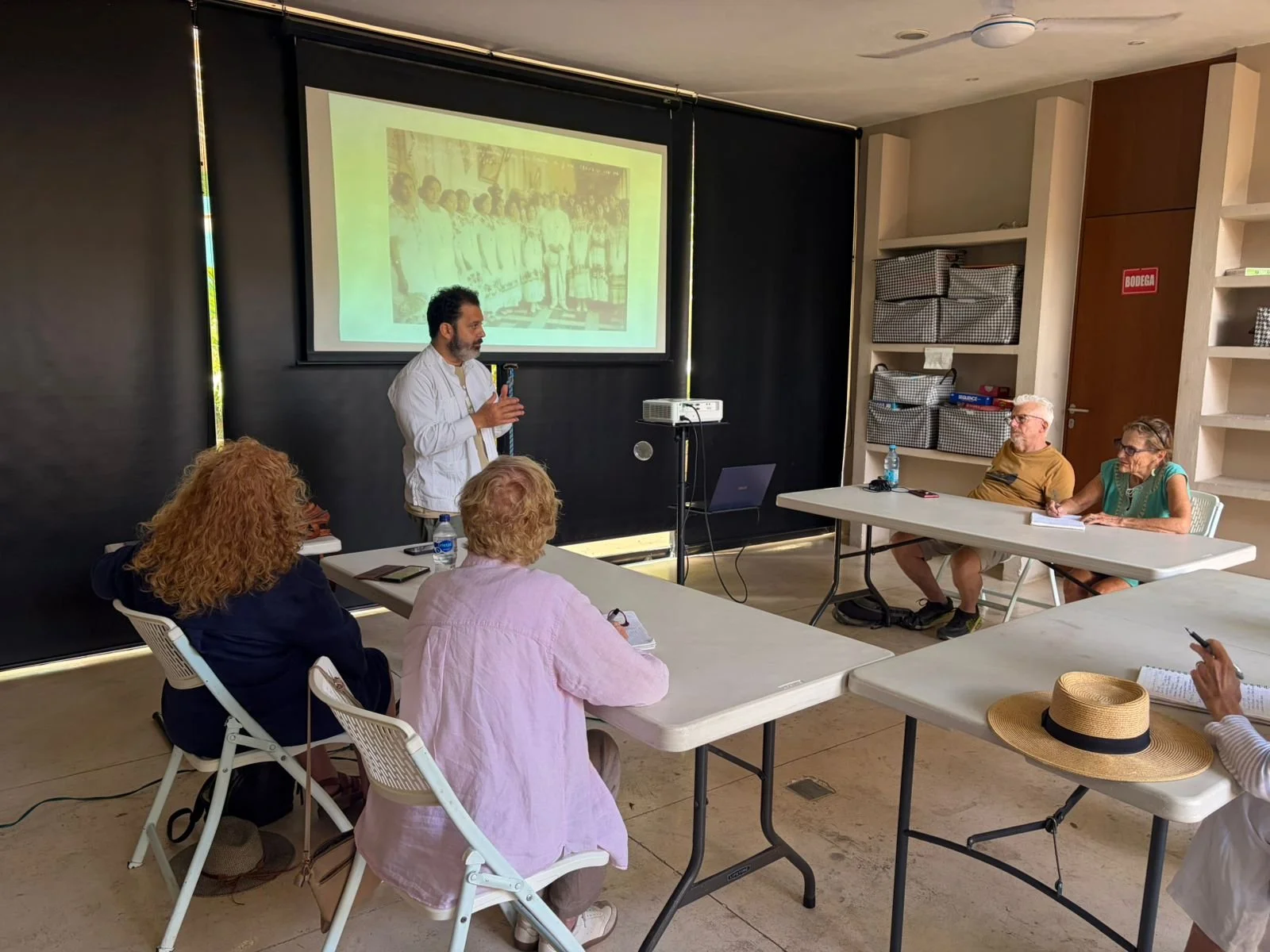
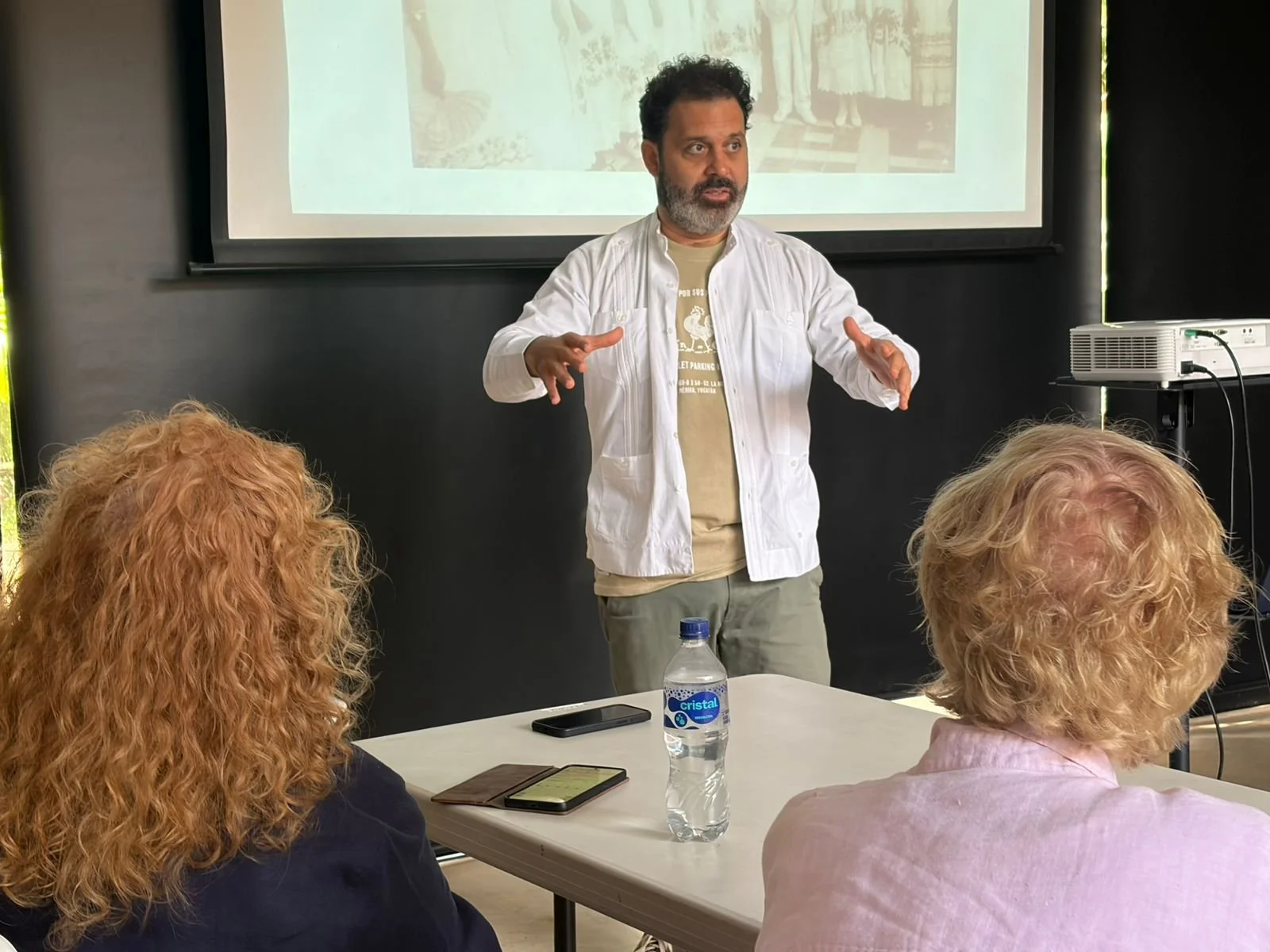
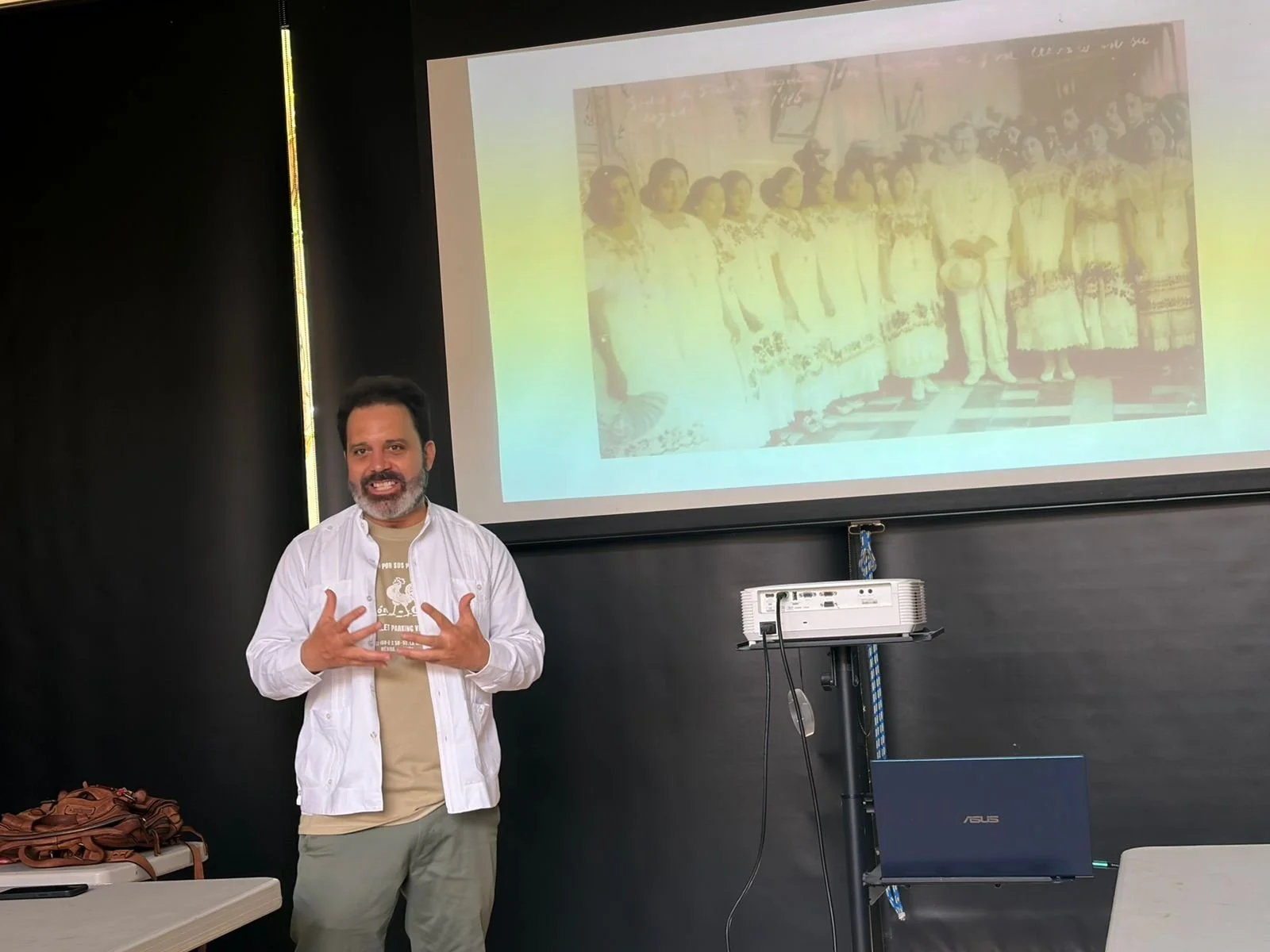
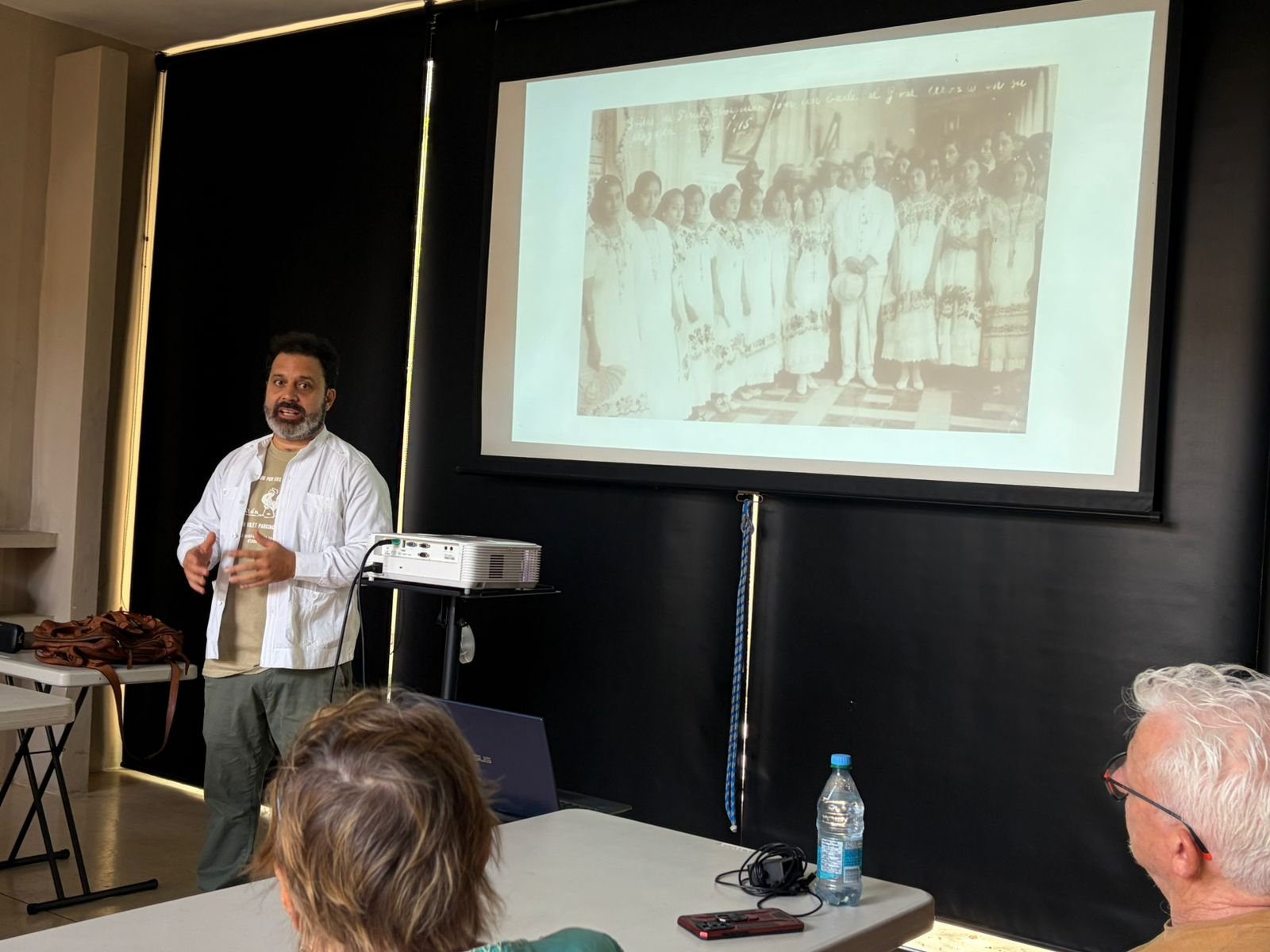
Participants are encouraged to bring a notebook for personal notes, reflections, and discussion points throughout the course.
About Raúl Gasque
With a career that spans more than 20 years in Asia, Latin America, and Europe, Raúl has led workshops and talks in institutions ranging from Mexico to Taiwan. His work engages themes of storytelling, psychology, and identity through a nontraditional lens.
As an art educator, Raúl Gasque has worked in different environments and institutions. His experience as an art teacher took him to develop workshops at the National Institute of Arts in Mexico, The Peace Nobel Prize Rigoberta Menchú Tum Foundation in Guatemala, Hungkuang University in Taichung, and the Mexican Cultural and Trade Office in Taiwan. Also, Gasque has given conferences in prestigious universities and institutions such as the Asian Center for Journalism of the Ateneo University in Manila, La Hydra in Mexico City, Lightbox Center, and National Chengchi University in Taipei, Taiwan.
Originally from Mérida, Yucatán, Raúl recently returned home after two decades abroad to reconnect with his roots and the rich cultural energy of the region.